

Для отправки отзыва вам необходимо авторизоваться.
Toothpaste
Nano-hydroxyapatite whitening toothpaste
$19.99
MEGASONEX® toothpaste reinvents oral care.
Its secret is biomimetic nano-hydroxyapatite, the primary component of human tooth enamel, at the precise 20-50nm size needed to effectively remineralise enamel, boosting the mouth’s natural enamel-repair process.
This allows it to reverse early-stage cavities called white-spot caries, as well as to help reduce painful sensitivity and whiten teeth naturally. It works by filling in the pits and fissures of your teeth with naturally white nanocrystals which are bioidentical to 97% of human tooth enamel.
Formulating for the physics of modern power toothbrush bristle action made it possible to create a formula that omits harsh chemicals and controversial ingredients which ordinary toothpastes contain, including soapy foaming agents like SLS (sodium lauryl sulfate), parabens and other preservatives.
Since it uses nano-hydroxyapatite to help fight cavities, we have removed potentially toxic agents including fluoride, making it safe enough even for children and the disabled.
It has a pleasant flavour that is refreshing yet mild enough not to interfere with your taste… even orange juice tastes great right after brushing. Try some and see for yourself why MEGASONEX® toothpaste is like no other.

Features
Helps rebuild enamel
A mega dose of bioidentical nano-hydroxyapatite boosts the mouth’s natural remineralisation process. It replenishes saliva with a high concentration of hydroxyapatite nanocrystals perfectly sized to replace those in dissolved enamel that break down into components that go missing before they can reform nano-hydroxyapatite and remineralise teeth again. This repairs enamel like nothing else, restoring the tooth surface to its original strong, smooth and shiny state, as if it were new.
Helps repair cavities
By rebuilding enamel, nano-hydroxyapatite can potentially fill in white spot caries, reversing the earliest stage of cavity formation.
Unfortunately, once tooth decay goes beyond the white spot stage, only a dental professional can treat you. This is why we recommend that everybody visit their dentist on a regular basis.
Helps reduce sensitivity
When enamel wears away, porous conduits to nerve receptors called dentinal tubules may become exposed, resulting in increased sensitivity to hot and cold or even chronic pain. Traditional sensitivity relief toothpastes work by altering the chemistry of these nerve receptors. By comparison, MEGASONEX® toothpaste remedies the situation by helping to fill these tubules with nano-hydroxyapatite and reconstruct enamel around them, an approach clinically proven (Ohta et al 2007) to mitigate hypersensitivity pain.
Ohta, K, Kawamata, H, Ishizaki, T & Hayman, R 2007, ‘Occlusion of Dentinal Tubules by Nano-Hydroxyapatite’, Journal of Dental Research, vol. 86, Special Issue A.
Bleach-free whitening
As remineralisation with nano-hydroxyapatite involves rebuilding your enamel with a substance that is naturally radiantly white, it can leave your teeth looking their whitest without the risks of oxidation burns from whitening chemicals like peroxide bleach. In addition, because the remineralisation process involves filing in the pits and fissures of aged enamel with pristine nano-hydroxyapatite prisms, making its rough surfaces smooth again, it can make teeth not only whiter in colour but silkier and shinier as well, leaving them glistening like fine pearls.
Low abrasion (RDA = 47)
Many toothpastes and tooth gels rely on abrasion to achieve the whitening benefits their advertisements claim. While harsh scraping with abrasive particles can remove plaque and whiten teeth, extended use can cause permanent damage. MEGASONEX® uses carefully selected particles to provide minimal abrasion to polish your teeth to a glossy lustre rather than scratch them.
Optimised for electric and ultrasonic toothbrushes
In comparison with almost all other toothpaste brands, this toothpaste is specifically formulated around the physics of electric and ultrasonic toothbrush brushing. While there are added benefits for power toothbrush users, it works well with all toothbrush types including manual toothbrushes.
Fights plaque
Plaque is not just ugly and dirty. It is a major cause of oral disease… tooth decay leading to caries (cavities), calculus (tartar), and even periodontal problems such as gingivitis, which can cause halitosis (bad breath), bleeding gums and gum recession. Our formula includes tetrasodium pyrophosphate, a molecule which prevents plaque from sticking and turning into calculus (tartar) through ion exchange.
Safe for children and the disabled
We always believe in putting patient safety first, so after asking ourselves questions about what is important in a toothpaste and conducting experiment after experiment to tweak the recipe of our chemical formula, we found a way to leave out a whole list of ingredients we decided we should not use. Without fluoride and other potentially toxic ingredients other toothpastes take as a given, we were able to design a toothpaste that is safe enough for kids to use. in fact, due to its nontoxic ingredients, you can swallow it accidentally without the risk of fluoride poisoning.
pH balanced
Because acidity can demineralise teeth and alkaline saliva can cause brushite to crystallise in plaque, resulting in tartar (calculus), a neutral pH level in the mouth is vital to good oral health. The MEGASONEX® formula is carefully balanced to achieve an optimal pH.
Tastebud friendly
Many toothpastes assault the tongue with a concoction of harsh, bitter, soapy tasting synthetic chemicals that can interfere with taste buds and alter gustatory perception, making delicious foods taste weird and unpalatable. After careful experimentation, we found a way to leave out most of these chemical compounds and to use only pure botanical aromas as flavourings. This imbues our toothpaste with a pleasantly cool yet mild mint flavour without compromising your sense of taste, so you never have to suffer through another glass of bitter orange juice at breakfast again.
Ideal for patients with braces and implants
People with dental prostheses are particularly susceptible to tooth decay, as braces, implants, crowns, bridges, palatal obturators and dentures can create areas that are difficult to brush and can trap food, allowing cariogenic oral bacteria to flourish. In addition, for better adhesion, dentists routinely etch enamel, eroding the smooth surface of the tooth around the area where braces, fillings and sealants are applied, leaving these areas more susceptible to decay. A nano-hydroxyapatite enriched toothpaste can help to protect these areas and ensure that your smile is as healthy and beautiful as you are.
Socially responsible
We believe in putting ethics before profit, so rather than pursue low cost manufacturing, we pay a premium to work with ethical suppliers who ensure that they treat their workers with dignity and respect. Our products are not tested on animals as a matter of principle.
Made in California
Every tube of toothpaste is made from pure ingredients in our state-of-the-art facility close to the celebrity dentists of Hollywood. Registered by the American FDA (Food and Drug Administration), it is home to star scientists trained at the best ranking research universities who help to oversee a strict quality control system involving rigorous quality test reviews at every step of the manufacturing process.
Alcohol free and vegan
As we respect our patients’ ethical and religious values, we do not use any ingredients containing alcohol or derived from any animal. We take active precautions to ensure that all equipment is thoroughly cleaned between production runs.
Ingredients
Nano-hydroxyapatite
A naturally white apatite mineral called hydroxyapatite (hydroxylapatite) forms a nanoscale hexagonal prismatic crystalline structure in the body out of calcium and phosphate ions that makes up about 97% of tooth enamel, 70% of dentine and the majority of bone. The smallest units are nanoscale crystals called nano-hydroxyapatite, which break down easily, whenever teeth are exposed to abrasion and acidity, whether from foods or bacteria. If not promptly replaced, this can result in permanent demineralisation, leading to tooth decay. A few toothpastes are enriched with hydroxyapatite supplements, though particles found in ordinary hydroxyapatite toothpastes are too large to be effective. However, when at the precise 20-50nm particle size used in MEGASONEX® toothpaste, these enamel rods are a perfect fit for refilling the holes in the crystal structure. As they replace the crystals that were broken or demineralised, they make enamel strong, smooth, white and shiny. As it is difficult to synthesise, it doesn’t come cheap, so is rarely used even in high-end toothpastes, let alone at the concentration or particle size MEGASONEX® toothpaste uses, but we feel it is worth the cost, because without it there is no comparison.
Sorbitol
A naturally sweet gummy substance found in apples, pears and peaches, sorbitol is a plant-derived humectant that helps to keep the toothpaste moist and soft. In contrast to humans, cavity causing bacteria find sorbitol completely inedible despite its sugary taste, which is why it is a common ingredient in mouthwashes and sugar-free chewing gum.
Glycerine
A clear syrupy liquid starring as fake tears on Hollywood celebrities’ faces, glycerine is a humectant that gives the toothpaste a smooth gel texture, prevents it from drying out and provides a touch of natural sweetness without nourishing the sugar addicted oral bacteria that cause decay in the mouth.
Water
Water serves as the solvent required to bind the powdery ingredients of the formula together into a squeezable toothpaste. Every drop of water we use has achieved ratings of pharmaceutical grade purity.
Silica
Silica is a glassy natural silicate mineral that is one of the principal components of fine white porcelain. As silica is very hard, ordinary silica is often used as an abrasive in toothpastes. However, not all forms of silica are created equal. Unlike ordinary toothpastes which use coarse grit silica, we use fumed silica… infinitesimally small solidified droplets of silica formed during an advanced vaporisation process reaching several thousand degrees. Rather than scratch and abrade, these particles are used to provide body to the toothpaste and allow it to shine the surface of the teeth to a slick gloss.
Xylitol
A natural sweetener that occurs in various fruits, xylitol has a taste similar to sugar, though milder by comparison. Unlike sugar, which feeds harmful oral bacteria like Streptococcus mutans, research has shown that xylitol can actually starve them to death. Another of the benefits of toothpaste with xylitol is that, upon exposure to saliva, xylitol absorbs heat in an endothermic reaction that leaves your mouth feeling cool and refreshed.
Tetrasodium pyrophosphate
This ionic salt, commonly used as a food additive, helps to prevent calculus (tartar) formation. Calculus is a form of plaque that becomes hard as rock as calcium and magnesium ions crystallise it. By precipitating these ions out of saliva in a double replacement reaction, tetrasodium pyrophosphate helps to keep calculus from ever forming. It has other advantages as well. It also serves as a thickener, emulsifier and pH buffer.
Sodium methyl cocoyl taurate
A very gentle natural surfactant derived from coconuts, sodium methyl cocoyl taurate is a much milder alternative to controversial soapy foaming agents like SLS, which can trigger an allergy leading to aphthous ulcers (canker sores). Even a tiny amount provides just enough foaminess to improve the cleaning action of the toothpaste and leave the mouth feeling clean and refreshed, without excessive lather.
Mica
This naturally shiny mineral has a flaky, pearlescent appearance, and is used to give high-end makeup like lipstick, lip gloss and eyeshadow its shimmery sparkle. When ground to a powder and added to toothpaste, it helps to gently buff the surfaces of the teeth to a fine polish, leaving them looking glossy and feeling smooth.
Titanium dioxide
The whitest naturally occurring mineral known to science, titanium dioxide is best known as an active ingredient in sunblock and a whitening pigment in cosmetics and skim milk. This chalky white substance not only whitens our toothpaste but also lends its dazzling whiteness to your teeth by momentarily adhering to them, making them appear whiter.
Sodium carboxymethylcellulose
This hypoallergenic natural thickener, derived from vegetables and plants, is commonly used to make foods like ice cream rich and as a dietary fibre nutritional supplement. We use it to increase the viscosity and smoothness of the toothpaste. It also serves as a binder that helps to keep the compounds from separating out. Another benefit is that it helps to lower the crystallisation point of the toothpaste, so that it is better able to withstand freezing temperatures during shipping.
Citric acid
The molecule that gives citrus fruits like limes their tart flavour, citric acid is a weak acid with antimicrobial properties. It is also a natural pH buffer which means it helps to ensure that the toothpaste’s pH levels stay neutralised.
Sodium saccharin
In order to deal with the harsh taste of high concentrations of nano-hydroxyapatite in a way other ingredients cannot, we use a minute amount of this sweetener, which is able to counteract the bitter, soapy aspects of hydroxyapatite’s flavour. Saccharin has not only been safely used as a calorie free diet sweetener for more than a century, but has also had a long history of use in the dental industry as, unlike sweeteners like sugar, it does not nourish harmful cariogenic bacteria.
Aroma
A curated blend of pure botanical essences infuses a mild yet refreshing mint flavour into the toothpaste. It’s carefully balanced to be strong enough to cleanse the palate and leave a cool and fresh minty sensation in the mouth, but never sharp so it doesn’t affect your taste.
Does not contain
Fluoride
Rather than use fluoride which merely hardens remaining enamel by chemically altering it, nano-hydroxyapatite can actually rebuild enamel and restore teeth to their naturally healthy state. While fluoride is safe in quantities occurring in natural foods and trace amounts are sometimes added to drinking water, larger amounts of fluoride are another matter. Due to its toxicity and the potential to lead to chronic conditions like fluorosis, which can cause unsightly permanent stains on teeth and other health problems, fluoridated products are highly regulated by government authorities dealing with poisonous substances and fluoridation is even banned outright in certain countries. By comparison, hydroxyapatite naturally occurs in the mouth and is so safe you can eat it. For these reasons, our products never contain fluoride.
SLS or sulfates
Because it is optimised for the rapid bristle movements of a power toothbrush, there is no need to rely on harsh soapy foaming agents for lather like sodium lauryl sulfate (SLS), which may lead to aphthous stomatitis (canker sores or aphthous ulcers) in some individuals.
Parabens or other preservatives
Many people instinctively read labels on every box of food they eat, checking the ingredient list carefully to avoid preservatives, yet fail to question whether the toothpastes they use include these exact same ingredients. Thanks to the high-tech films in our long life packaging and careful formulation, we found a way to make toothpaste just as effective and long-lasting without relying on parabens or any other preservatives.
Plastic or nanobeads
We do not use controversial microparticle and nanoparticle additives like microbeads, colloidal metals or charcoal, nor do we use any form of plastic as ingredients.
Hydroxyapatite science
The essential component of teeth and bones is a white mineral called hydroxyapatite. Trillions of nanocrystals of this material, measuring 20-50nm across, along with the occasional organic molecule, fit together perfectly like tiles of a mosaic to create the enamel coating each of our teeth.
Though hydroxyapatite is ordinarily very hard, like marble, it is highly susceptible to demineralisation (dissolving or breaking down) when exposed to acids, such as the lactic acid produced by plaque bacteria as they metabolise sugar in the mouth. This means that entire nanocrystals can break apart, but fortunately many times their components remain floating in saliva long enough to find their way back to remineralise (repair) the enamel that went missing. Sadly, sometimes they are lost before this can occur, leading to permanent tooth decay. When enough of these crystals go missing at once, the enamel structure can cave in, resulting in caries (cavities).
Most toothpastes rely on fluoride as the active ingredient to fight against tooth decay. Fluoride can chemically alter hydroxyapatite to form a chemical compound called fluorohydroxyapatite that is slightly more acid resistant and slightly harder, though also more brittle. While fluoride can help to make demineralisation less likely to occur, unlike nano-hydroxyapatite, it cannot reverse it. Also, though harmless at very low concentrations, at high concentrations fluoride can be toxic, leading to chronic conditions like fluorosis, and can even be fatal (the average tube of fluoridated toothpaste contains enough fluoride to kill a small child if ingested all at once).
Thanks to recent advances in science, it is now possible to synthesise nanocrystals of hydroxyapatite (nano-hydroxyapatite) at the precise 20-50nm particle size needed for remlineralisation to occur. When added to toothpaste, it can supplement the mouth’s natural remineralisation process, supplying exact analogues of the nano-hydroxyapatite crystals that went missing. Unlike fluoride, which only makes enamel slightly more difficult to dissolve, nano-hydroxyapatite actually rebuilds enamel with a safe, non-toxic bioidentical substance, making teeth stronger, smoother, shinier and whiter as it fills in the pits and fissures where it went missing.
* Nano-Hydroxyapatite may assist in reversing tooth decay at the early stage (white-spot caries), but once beyond this phase it is too late to be effective. As always, we recommend a dental checkup at least every six months.
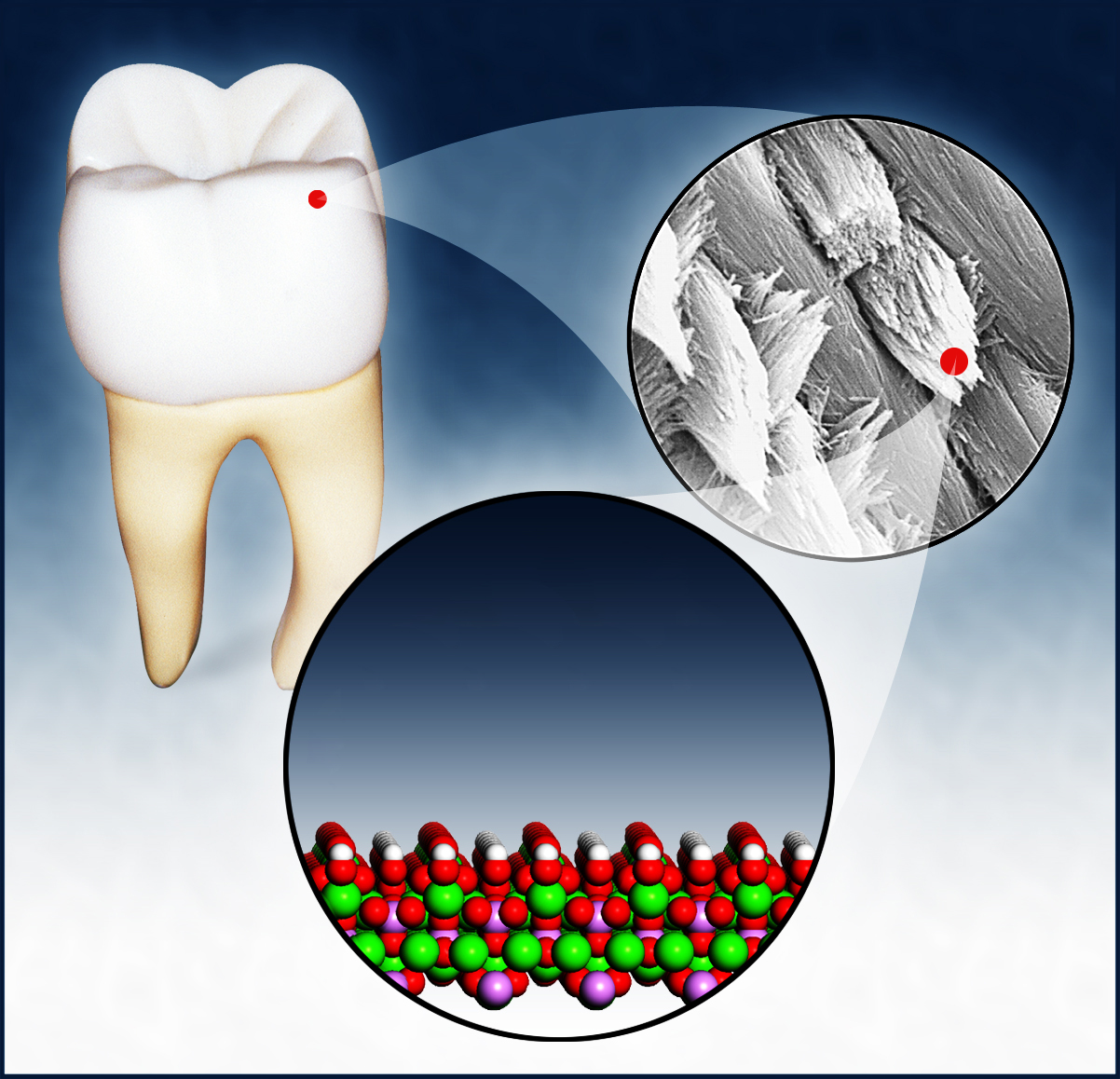
Crystalline structure of hydroxyapatite in enamel
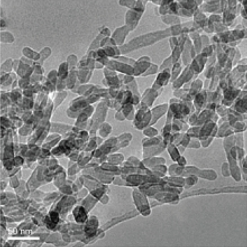
20-50nm hydroxyapatite nanoparticles
Отзывы
Отзывов пока нет.